
130 Devonshire Rd
Chorley, PR7 2BY
Mon - Fri: 7.30am - 6.00pm
Sat: 7.30am - 12.00 noon
Looking After Your Muscles and Joints as You Get Older

Looking After Your Muscles and Joints as You Get Older

Growing older doesn’t automatically mean living with pain.


Many people remain active well into later life, continuing to enjoy walking, gardening, golf, cycling and spending time with grandchildren. The key is looking after your muscles and joints before small problems begin to limit what you can do.

Movement Really Is Medicine

Our bodies are designed to move.

As we become less active, joints naturally become stiffer and muscles lose strength. Balance can reduce, flexibility decreases and everyday tasks may begin to feel harder than they once did.

Regular movement helps maintain:

  • Joint mobility.
  • Muscle strength.
  • Balance and coordination.
  • Circulation.
  • Overall confidence.

The goal doesn’t have to be strenuous exercise. Consistent daily activity is often far more beneficial.

Don’t Accept Pain as ‘Just Your Age’

One of the most common things practitioners hear is:

“I thought it was just part of getting older.”

While certain age-related changes do occur naturally, persistent pain should never simply be dismissed.

Many musculoskeletal conditions respond well to appropriate assessment and treatment, particularly when addressed early.

Living with ongoing discomfort isn’t something most people should simply accept.

Common Activities Can Become More Challenging

Over time, everyday tasks such as:

  • Getting out of bed.
  • Climbing stairs.
  • Carrying shopping.
  • Reaching overhead.
  • Turning your head when driving.
  • Walking longer distances.

may begin to feel more difficult.

Often these changes happen gradually, making them easy to overlook until they begin affecting independence and quality of life.

Staying Active Safely

Many people worry that exercising with aches and pains could make things worse.

In reality, the right type of movement is often beneficial.

The important point is choosing activities appropriate for your individual circumstances.

Walking, swimming, gentle strengthening exercises and flexibility work can all contribute towards maintaining healthy movement.

If pain is preventing you from staying active, obtaining professional advice may help identify what’s causing the limitation.

Good Posture Still Matters

Whether you’re retired or still working, posture continues to play an important role.

Hours spent reading, using tablets, watching television or working on laptops can place sustained stress on the neck, shoulders and lower back.

Simple changes such as varying your position regularly, taking movement breaks and setting up comfortable seating can make a noticeable difference over time.

Looking Beyond the Pain

Effective management isn’t simply about treating one painful area.

The body works as a connected system.

For example, restricted movement in the hips may influence the lower back. Reduced ankle mobility can alter walking patterns and place additional strain on the knees.

A thorough assessment considers how different parts of the body are working together rather than focusing solely on where symptoms are felt.

Investing in Your Future Mobility

Maintaining good movement today can help preserve independence in the years ahead.

Whether your goal is continuing to play golf, enjoy long walks, travel comfortably or simply keep up with family life, looking after your musculoskeletal health is an investment in your future wellbeing.

If you’ve noticed increasing stiffness, recurring pain or reduced mobility, seeking advice sooner rather than later may help you remain active, comfortable and confident for longer.


To book an appointment please call Ryan on 01257 260520

Why Ignoring Minor Aches and Pains Can Lead to Bigger Problems

Pain is Your Body’s Way of Getting Your Attention


Most of us have experienced a niggling ache that we simply learn to live with. Perhaps it’s a stiff neck after working at a computer, a sore shoulder that appears after gardening, or a lower back that feels tight every morning.

Because the discomfort often comes and goes, it’s easy to convince yourself that it isn’t serious enough to seek help.

Unfortunately, many musculoskeletal problems rarely improve by being ignored. In fact, they often become more established over time, making recovery longer and more challenging.

Pain is Your Body’s Way of Getting Your Attention

Pain isn’t the problem itself – it’s a signal that something isn’t functioning as it should.

Your body is remarkably good at adapting. If one joint isn’t moving well or a muscle becomes tight, other areas often compensate to keep you moving. While this compensation can help in the short term, it may place extra strain on other muscles and joints.

This is why someone who starts with a stiff neck may later develop headaches, or someone with a sore hip may eventually begin experiencing lower back pain.

Identifying these patterns early can often prevent a small issue becoming a much larger one.

Everyday Habits Matter More Than You Think

Many people assume injuries only happen after accidents or sporting activities.

In reality, many problems develop gradually because of everyday routines, including:

  • Sitting at a desk for long periods.
  • Poor posture when working from home.
  • Repetitive lifting.
  • Driving long distances.
  • Looking down at mobile phones.
  • Carrying heavy bags on one shoulder.
  • Spending hours gardening or doing DIY.

None of these activities are harmful on their own, but when repeated day after day they can gradually overload muscles and joints.

Small Problems Often Become Long-Term Problems

When discomfort first appears, people frequently reduce their activity levels to avoid making it worse.

Although this can provide temporary relief, prolonged avoidance often causes muscles to weaken and joints to become stiffer. Before long, everyday tasks that were once easy become increasingly uncomfortable.

Early assessment can often identify the underlying cause before these secondary problems develop.

It’s About Improving Function, Not Just Reducing Pain

One of the biggest misconceptions is that treatment simply focuses on making pain disappear.

A thorough assessment looks at how your body moves as a whole.

Questions may include:

  • Which movements aggravate your symptoms?
  • Have you altered the way you walk or sit?
  • Are neighbouring joints compensating?
  • Has reduced movement affected your strength or flexibility?

Understanding the complete picture allows treatment to be tailored to your individual needs rather than simply addressing where the pain happens to be.

Recovery Doesn’t End in the Treatment Room

Hands-on treatment can play an important role, but lasting improvement usually comes from understanding why the problem developed in the first place.

Simple advice regarding posture, movement, stretching and strengthening exercises can often help reduce the likelihood of symptoms returning.

Small changes performed consistently often produce better long-term results than relying on occasional treatment alone.

When Should You Seek Professional Advice?

It’s sensible to arrange an assessment if you notice:

  • Pain lasting more than a couple of weeks.
  • Stiffness that keeps returning.
  • Reduced movement.
  • Pain that interferes with work, hobbies or sleep.
  • Symptoms that repeatedly flare up after activity.

The earlier a problem is assessed, the easier it often is to manage.

Whether your discomfort has developed gradually or followed a recent injury, obtaining an accurate diagnosis is the first step towards getting back to normal activities with greater confidence and comfort.


To book an appointment please call Ryan on 01257 260520
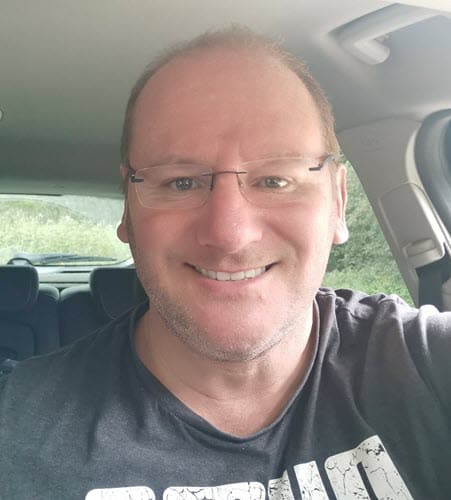
Matt Holland, Sports Therapist

Matt Holland, sports therapist, joins our team

We would like to welcome to Matt Holland Sports Therapy to the team at Devonshire Road


After an enforced break Matt has returned to business with a slight rebranding. We hope you like it!

About Matt Holland Sports Therapy.

With over 12 years’ experience in the Health and Fitness industry Matt is very passionate about what he does and ensures that his number 1 priority is the client.

Matt mainly uses manual therapy, dry cupping and various other techniques to help his clients. A big emphasis is placed on teaching you about your condition and how to help yourself.

His patient list includes elite athletes, health and medical professionals, professionals who work in sedentary jobs and chronic pain sufferers.

To book an appointment please call or text Matt on 07912 754088

5 tips for returning to the gym after lockdown

It’s easy to rush back to the gym after lockdown but diving in at the deep end could set you back weeks or months. Here are a few reminders to make it a healthy workout.


1.Take it easy! 

It’s been a while, those muscles have been a little redundant since Christmas, so respect them, build up slowly again. If you get a niggle that’s your body flashing a warning light at you. Don’t work through it. If a niggle is settling down after exercise, get it looked at.


  1. Warm-up

Take 5-10 minutes to get the body warmed up, the blood flowing to the tissues, which will increase their elasticity. This could be done by walking, running or cycling


  1. Stay Hydrated

Evidence suggests that being dehydrated after exercise can amplify the post-exercise muscle ache.


  1. Post Exercise Stretch

The really important bit, this is done to prevent strains, the next time you come to use those muscles


  1. Sleep Well

The best way for your body to recover after exercise, especially if you have not exercised for a while

What is the knee pain I get when I run?

It’s called Ilio-Tibial-Band Friction Syndrome (ITBFS) and it is quite common.

The knee is the most commonly injured body part in runners, making up 25% of all running injuries. That is quite a lot, considering around 50% of all runners can expect to sustain a running injury over a 12-month period.

Various structures around the knee can be affected; quite frequently, runners develop pain on the outside of the knee which can be caused by an irritation of the Ilio-Tibial-Band (ITB), a band of connective tissue that runs from the pelvis to the outside of the knee.  The injury is called Ilio-Tibial-Band Friction Syndrome (ITBFS).

So what exactly is ITBFS?

ITBFS is an overuse injury that generally builds up gradually, so it is not an acute strain or tear.  Repetitive friction of the tissue of the ITB rubbing over a bony prominence along the outer thigh can result in pain and localised inflammation at the friction site.

Initially, the pain may only occur during a run but it can quickly progress with each run, to the point where the pain may linger after a run and even basic activities such as bending and straightening of the knee or lying on the affected side at night can be sore.

What are the causes?

A range of factors can contribute to the development of ITBFS, for example:

  • Training errors, such as a sudden increase in training intensity
  • Hip muscle deficiencies, e.g. weak gluteal muscles and reduced core strength
  • Poor ankle and foot mechanics
  • Running inefficiencies, such as a reduced cadence (running too slow), which often results in overstriding. This can put an increased load on the knee, causing ITBFS over time, especially when running long distances.
  • Poor footwear