
130 Devonshire Rd
Chorley, PR7 2BY
Mon - Fri: 7.30am - 6.00pm
Sat: 7.30am - 12.00 noon
Looking After Your Muscles and Joints as You Get Older

Looking After Your Muscles and Joints as You Get Older

Growing older doesn’t automatically mean living with pain.


Many people remain active well into later life, continuing to enjoy walking, gardening, golf, cycling and spending time with grandchildren. The key is looking after your muscles and joints before small problems begin to limit what you can do.

Movement Really Is Medicine

Our bodies are designed to move.

As we become less active, joints naturally become stiffer and muscles lose strength. Balance can reduce, flexibility decreases and everyday tasks may begin to feel harder than they once did.

Regular movement helps maintain:

  • Joint mobility.
  • Muscle strength.
  • Balance and coordination.
  • Circulation.
  • Overall confidence.

The goal doesn’t have to be strenuous exercise. Consistent daily activity is often far more beneficial.

Don’t Accept Pain as ‘Just Your Age’

One of the most common things practitioners hear is:

“I thought it was just part of getting older.”

While certain age-related changes do occur naturally, persistent pain should never simply be dismissed.

Many musculoskeletal conditions respond well to appropriate assessment and treatment, particularly when addressed early.

Living with ongoing discomfort isn’t something most people should simply accept.

Common Activities Can Become More Challenging

Over time, everyday tasks such as:

  • Getting out of bed.
  • Climbing stairs.
  • Carrying shopping.
  • Reaching overhead.
  • Turning your head when driving.
  • Walking longer distances.

may begin to feel more difficult.

Often these changes happen gradually, making them easy to overlook until they begin affecting independence and quality of life.

Staying Active Safely

Many people worry that exercising with aches and pains could make things worse.

In reality, the right type of movement is often beneficial.

The important point is choosing activities appropriate for your individual circumstances.

Walking, swimming, gentle strengthening exercises and flexibility work can all contribute towards maintaining healthy movement.

If pain is preventing you from staying active, obtaining professional advice may help identify what’s causing the limitation.

Good Posture Still Matters

Whether you’re retired or still working, posture continues to play an important role.

Hours spent reading, using tablets, watching television or working on laptops can place sustained stress on the neck, shoulders and lower back.

Simple changes such as varying your position regularly, taking movement breaks and setting up comfortable seating can make a noticeable difference over time.

Looking Beyond the Pain

Effective management isn’t simply about treating one painful area.

The body works as a connected system.

For example, restricted movement in the hips may influence the lower back. Reduced ankle mobility can alter walking patterns and place additional strain on the knees.

A thorough assessment considers how different parts of the body are working together rather than focusing solely on where symptoms are felt.

Investing in Your Future Mobility

Maintaining good movement today can help preserve independence in the years ahead.

Whether your goal is continuing to play golf, enjoy long walks, travel comfortably or simply keep up with family life, looking after your musculoskeletal health is an investment in your future wellbeing.

If you’ve noticed increasing stiffness, recurring pain or reduced mobility, seeking advice sooner rather than later may help you remain active, comfortable and confident for longer.


To book an appointment please call Ryan on 01257 260520

Why Ignoring Minor Aches and Pains Can Lead to Bigger Problems

Pain is Your Body’s Way of Getting Your Attention


Most of us have experienced a niggling ache that we simply learn to live with. Perhaps it’s a stiff neck after working at a computer, a sore shoulder that appears after gardening, or a lower back that feels tight every morning.

Because the discomfort often comes and goes, it’s easy to convince yourself that it isn’t serious enough to seek help.

Unfortunately, many musculoskeletal problems rarely improve by being ignored. In fact, they often become more established over time, making recovery longer and more challenging.

Pain is Your Body’s Way of Getting Your Attention

Pain isn’t the problem itself – it’s a signal that something isn’t functioning as it should.

Your body is remarkably good at adapting. If one joint isn’t moving well or a muscle becomes tight, other areas often compensate to keep you moving. While this compensation can help in the short term, it may place extra strain on other muscles and joints.

This is why someone who starts with a stiff neck may later develop headaches, or someone with a sore hip may eventually begin experiencing lower back pain.

Identifying these patterns early can often prevent a small issue becoming a much larger one.

Everyday Habits Matter More Than You Think

Many people assume injuries only happen after accidents or sporting activities.

In reality, many problems develop gradually because of everyday routines, including:

  • Sitting at a desk for long periods.
  • Poor posture when working from home.
  • Repetitive lifting.
  • Driving long distances.
  • Looking down at mobile phones.
  • Carrying heavy bags on one shoulder.
  • Spending hours gardening or doing DIY.

None of these activities are harmful on their own, but when repeated day after day they can gradually overload muscles and joints.

Small Problems Often Become Long-Term Problems

When discomfort first appears, people frequently reduce their activity levels to avoid making it worse.

Although this can provide temporary relief, prolonged avoidance often causes muscles to weaken and joints to become stiffer. Before long, everyday tasks that were once easy become increasingly uncomfortable.

Early assessment can often identify the underlying cause before these secondary problems develop.

It’s About Improving Function, Not Just Reducing Pain

One of the biggest misconceptions is that treatment simply focuses on making pain disappear.

A thorough assessment looks at how your body moves as a whole.

Questions may include:

  • Which movements aggravate your symptoms?
  • Have you altered the way you walk or sit?
  • Are neighbouring joints compensating?
  • Has reduced movement affected your strength or flexibility?

Understanding the complete picture allows treatment to be tailored to your individual needs rather than simply addressing where the pain happens to be.

Recovery Doesn’t End in the Treatment Room

Hands-on treatment can play an important role, but lasting improvement usually comes from understanding why the problem developed in the first place.

Simple advice regarding posture, movement, stretching and strengthening exercises can often help reduce the likelihood of symptoms returning.

Small changes performed consistently often produce better long-term results than relying on occasional treatment alone.

When Should You Seek Professional Advice?

It’s sensible to arrange an assessment if you notice:

  • Pain lasting more than a couple of weeks.
  • Stiffness that keeps returning.
  • Reduced movement.
  • Pain that interferes with work, hobbies or sleep.
  • Symptoms that repeatedly flare up after activity.

The earlier a problem is assessed, the easier it often is to manage.

Whether your discomfort has developed gradually or followed a recent injury, obtaining an accurate diagnosis is the first step towards getting back to normal activities with greater confidence and comfort.


To book an appointment please call Ryan on 01257 260520
Matt Holland, Sports Therapist

Matt Holland, sports therapist, joins our team

We would like to welcome to Matt Holland Sports Therapy to the team at Devonshire Road


After an enforced break Matt has returned to business with a slight rebranding. We hope you like it!

About Matt Holland Sports Therapy.

With over 12 years’ experience in the Health and Fitness industry Matt is very passionate about what he does and ensures that his number 1 priority is the client.

Matt mainly uses manual therapy, dry cupping and various other techniques to help his clients. A big emphasis is placed on teaching you about your condition and how to help yourself.

His patient list includes elite athletes, health and medical professionals, professionals who work in sedentary jobs and chronic pain sufferers.

To book an appointment please call or text Matt on 07912 754088

Physio for neck pain

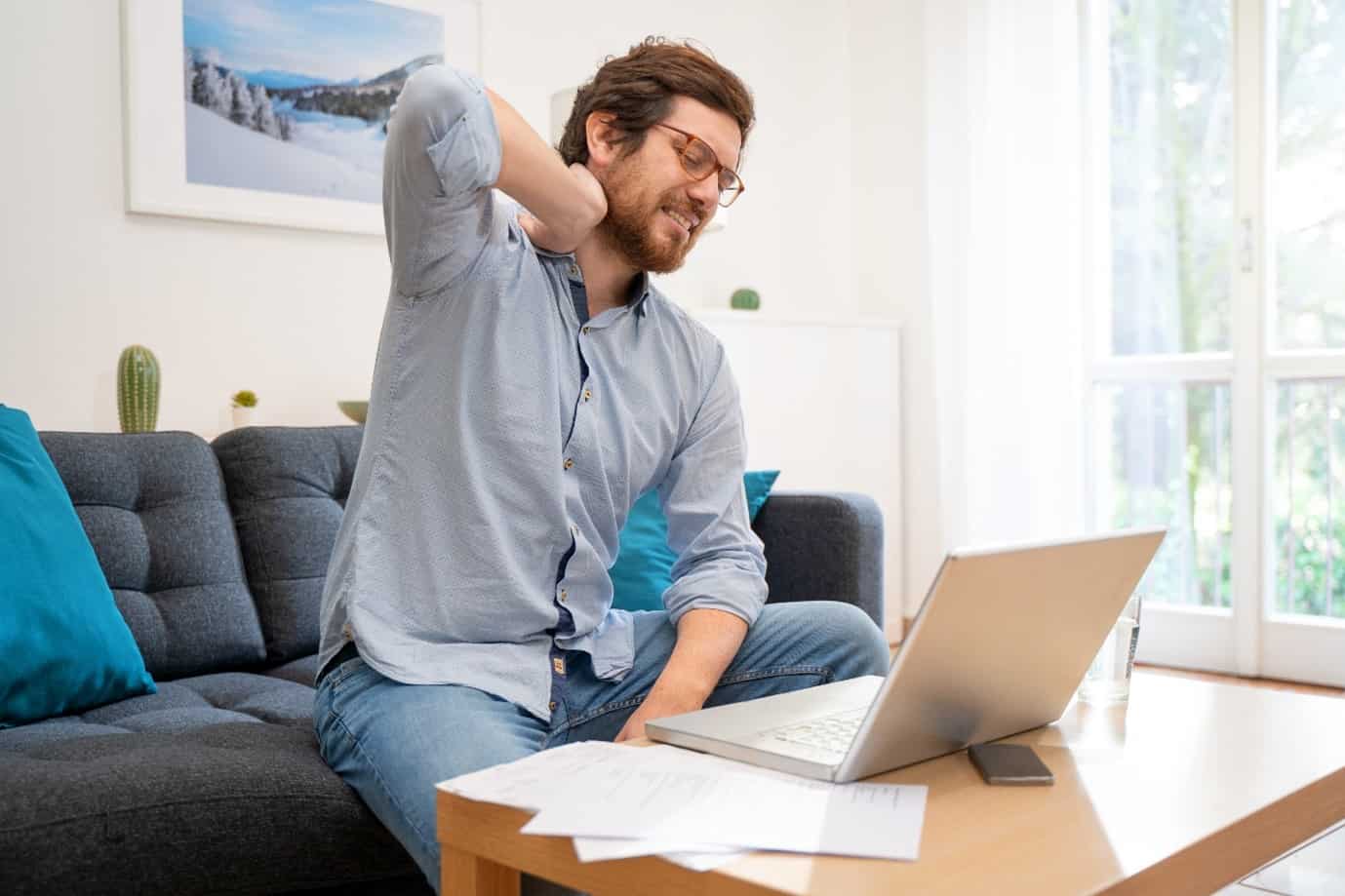
Working from Home, can be a real pain in the neck

It’s great to be able to work from home during this pandemic, with comfy loungewear, endless snacks, and lie-ins, but the poor workstation layout can cause many problems, mainly for posture.

However, makeshift office furniture, from the coffee table, the dining table, to poor substitute office chairs over even a short period of time, can lead to problems such as, neck and shoulder pain and low back and hip problems.

Top tips to help you Working From Home

The right seat: The key to a good posture is a good chair to help align the body. Avoid using the sofa to slouch on and leaning over the coffee table. If you’re working in the dining room, the combination of the higher table and lower chairs will cause you to overstretch or slouch, causing pain in your neck shoulders and put pressure on your wrists. Raising your height with cushions and use a box as footrest. Ideally your feet should be under the table and not under your chair. Feet under the chair will make you lean forward causing the low back muscles to fatigue. If you have arms on your office chair, ensure the arms of the chair adjust, so you can get the chair under the desk.

Screen Height: If your monitor or laptop screen is below eye level then it is likely you are hunching over, which may lead to neck pain and headaches. In an ideal world, you would have an adjustable stand. If that’s not the case, you can substitute with a box or book.  Keep the keyboard and mouse close to your body to prevent overstretching and will encourage you to sit up straight.

Move regularly: Posture is greatly helped by regular movement, set a timer on your phone to move at least once per hour and do some simple stretches. I often advise patients to boil the kettle and swim to the fridge, followed by a couple of neck stretching exercises, such as gently tilting head towards your shoulder and gently pull on the side of the head with the opposite hand.


If you continue to suffer from Working From Home aches and pains, contact us for an assessment and maintenance treatment.

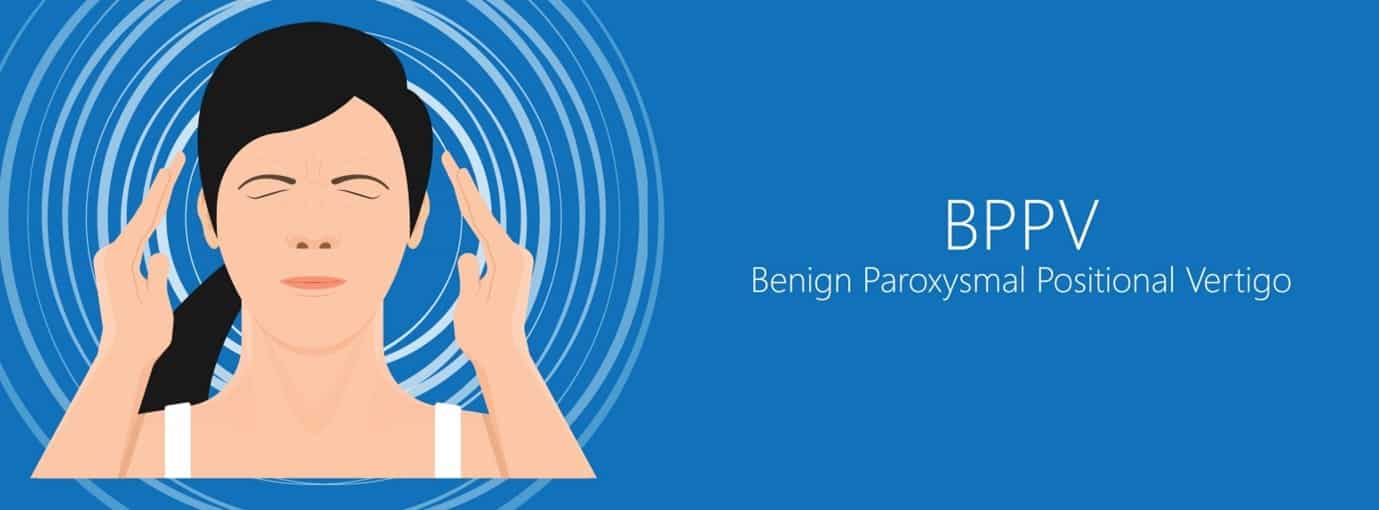
Benign paroxysmal positional vertigo (BPPV)

Benign paroxysmal positional vertigo (BPPV)

What is BPPV?

BPPV is the most common inner ear problem and cause of vertigo. BPPV is a specific diagnosis, and each word describes the condition:

Benign: this means it is not life-threatening, even though the symptoms can be very intense and upsetting.

Paroxysmal: it comes in sudden, short spells

Positional: certain head positions or movements can trigger a spell.

Vertigo: feeling like you’re spinning, or the world around you is spinning

What causes BPPV?

There are crystals of calcium carbonate that are a normal part of our inner ear and help us with our balance and body motion. These tiny rock-like crystals are settled in the centre “pouch” of the inner ear. BPPV is caused by the crystals becoming ‘unglued’ from their normal place. They begin to float around and get stuck on sensors in the wrong canal of the inner ear. The dizziness you feel will continue until the crystals settle after you move. As the crystals move and settle, your brain is getting powerful, false messages telling you that you are violently spinning, when all you may have done is moved slightly.

What are the common symptoms of BPPV?

Everyone experiences BPPV differently, but there are common symptoms. The most common symptom is distinct spells of vertigo. You may experience nausea (vomiting) or a severe sense of feeling unstable or like you are losing your balance. These symptoms will be intense for seconds to minutes. You can have lasting feelings of dizziness and instability, but at a lesser level, once the episode has passed.

Can BPPV be treated?

Yes! Medicines can be used to relieve symptoms, such as nausea.

Most BPPV cases can be improved with repositioning exercises that usually take only a few minutes to complete. They have high success rates (eight out of every 10 people will respond immediately) although sometimes the treatment needs to be repeated a few times. These manoeuvres are designed to guide the crystals back to their original location in your inner ear. These exercises can be done by some physiotherapists. You can also be taught by the physiotherapist to do the exercises yourself. Our physiotherapist Jeff Oakes, has many years’ experience in treating patients with BPPV.

Find out more about Jeff here

knee-buckling

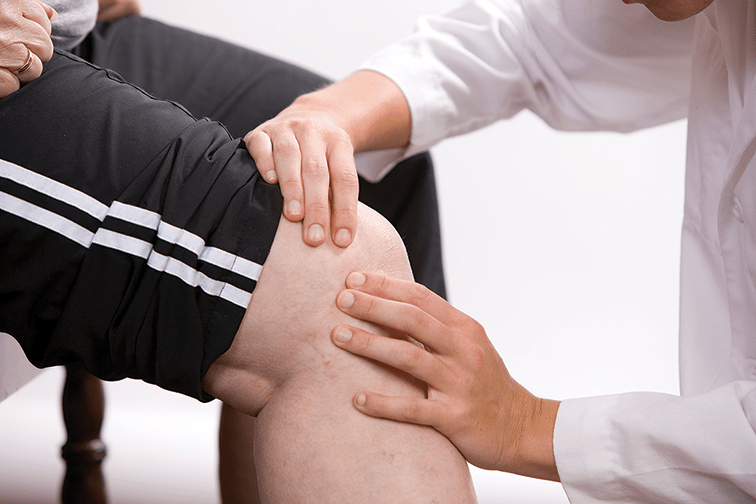
Why does my knee keep giving way?

I regularly treat people with knee injuries in my practice.

One of the common ailments people present with when complaining of their knee is that “my knee keeps giving way for no reason!” It often occurs unexpectedly and can result in a fall which can lead to injures such as fractured ribs or hips. One patient recently reported that his knee gave way whilst carrying two cups of tea upstairs. He fell backwards down the stairs. Thankfully, he didn’t break anything.


Causes for Knee buckling.

Ligament injury: Ligaments are bands of tough elastic tissue, which bind joints together and offer support to joints. An injury to a ligament of the knee, through a sport injury or fall and lead to instability within the joint and make your knee buckle

Cartilage tear: A cartilage tear can occur if you land heavily on your knee and twist as often seen in football players. Cartilage tears can also develop as we get older. This is probably due to the elasticity of the cartilage reducing with age.

Osteoarthritis: Oosteoarthritis is the natural aging process. In your knee the cartilage can become so thin that it no longer covers the ends of your bones. They start to rub against each other and eventually wear away. This can alter the shape of your joint, forcing your bones out of their normal position. In addition, the muscles that move your knee gradually weaken and become thin or wasted. This can make your knee unstable so that it gives way when you put weight on it.

Back problems: If you have a back problem, particularly with nerve pain down the leg, this can alter the nerve transmission to the muscles. If the muscles that move the knee don’t receive the signal clearly, there can be some misfiring resulting in your leg giving way or buckling.

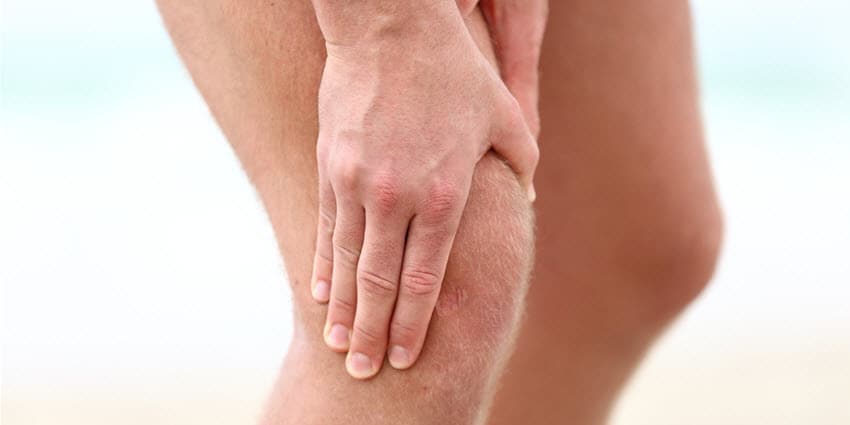
What is the knee pain I get when I run?

It’s called Ilio-Tibial-Band Friction Syndrome (ITBFS) and it is quite common.

The knee is the most commonly injured body part in runners, making up 25% of all running injuries. That is quite a lot, considering around 50% of all runners can expect to sustain a running injury over a 12-month period.

Various structures around the knee can be affected; quite frequently, runners develop pain on the outside of the knee which can be caused by an irritation of the Ilio-Tibial-Band (ITB), a band of connective tissue that runs from the pelvis to the outside of the knee.  The injury is called Ilio-Tibial-Band Friction Syndrome (ITBFS).

So what exactly is ITBFS?

ITBFS is an overuse injury that generally builds up gradually, so it is not an acute strain or tear.  Repetitive friction of the tissue of the ITB rubbing over a bony prominence along the outer thigh can result in pain and localised inflammation at the friction site.

Initially, the pain may only occur during a run but it can quickly progress with each run, to the point where the pain may linger after a run and even basic activities such as bending and straightening of the knee or lying on the affected side at night can be sore.

What are the causes?

A range of factors can contribute to the development of ITBFS, for example:

  • Training errors, such as a sudden increase in training intensity
  • Hip muscle deficiencies, e.g. weak gluteal muscles and reduced core strength
  • Poor ankle and foot mechanics
  • Running inefficiencies, such as a reduced cadence (running too slow), which often results in overstriding. This can put an increased load on the knee, causing ITBFS over time, especially when running long distances.
  • Poor footwear

Identifying And Treating Pain From Nerve Tension

Do I have a trapped nerve?

We all know that your joints move and your muscles contract and stretch. But did you know that your nerve tissue also needs to move freely and unimpeded?

If your neural tissue is impeded then pain or restriction of your nerve movement is a common result.  The adverse neural tension can result in nerve pain and limited motion. This is what is commonly referred to as a trapped nerve.

Nerve tension is pain that occurs because a nerve is being compressed or stuck in its surrounding tissue which prevents it from moving within its tract like it normally does. This can happen for a variety of reasons.

Common examples of structures that can impede a nerve’s movement include:

  • Back Pain e.g. bulging disc
  • Piriformis Syndrome
  • Sciatica
  • Neck Pain
  • Shoulder Pain
  • Carpal Tunnel Syndrome
  • Tennis or Golfer’s Elbow
  • Pinched Nerve

Depending on the severity of the damage that is causing nerve tension, surgery may be necessary. However, in most cases nerve tension can be relieved through physical therapy such as osteopathy or physiotherapy, and prescribed stretching exercises.

Effective Therapy for Carpal Tunnel Syndrome

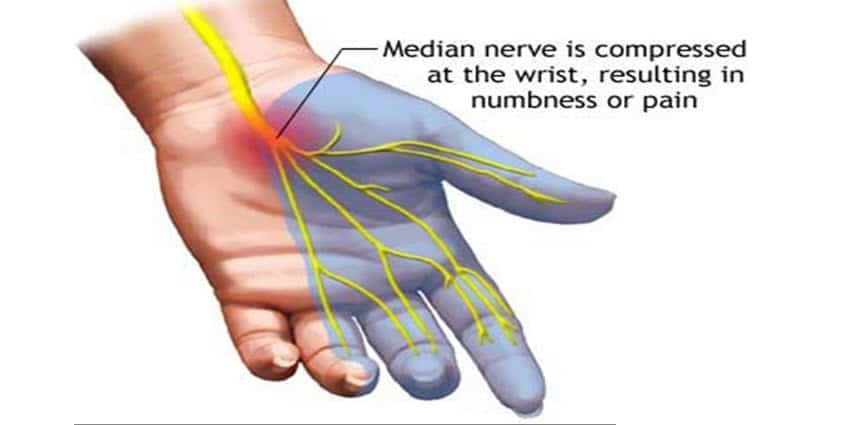
Carpal tunnel syndrome (CTS) is a medical condition due to compression of the median nerve as it travels through the wrist at the carpal tunnel. The main symptoms are pain, numbness, and tingling, in the thumb, index finger, middle finger, and the thumb side of the ring fingers.

In severe cases, this can lead to pain travelling up to the neck and shoulder, often misleading health care professionals into thinking the radiating arm pain is actually coming from the neck rather than the wrist.

Your osteopath should be able to diagnose if you have this and recommend that you consult with your doctor for an appropriate onward referral if the symptoms are severe.